
Disclosure: This article contains a promotional link to Creator Capital. The Family Lens has a commercial relationship with the platform.
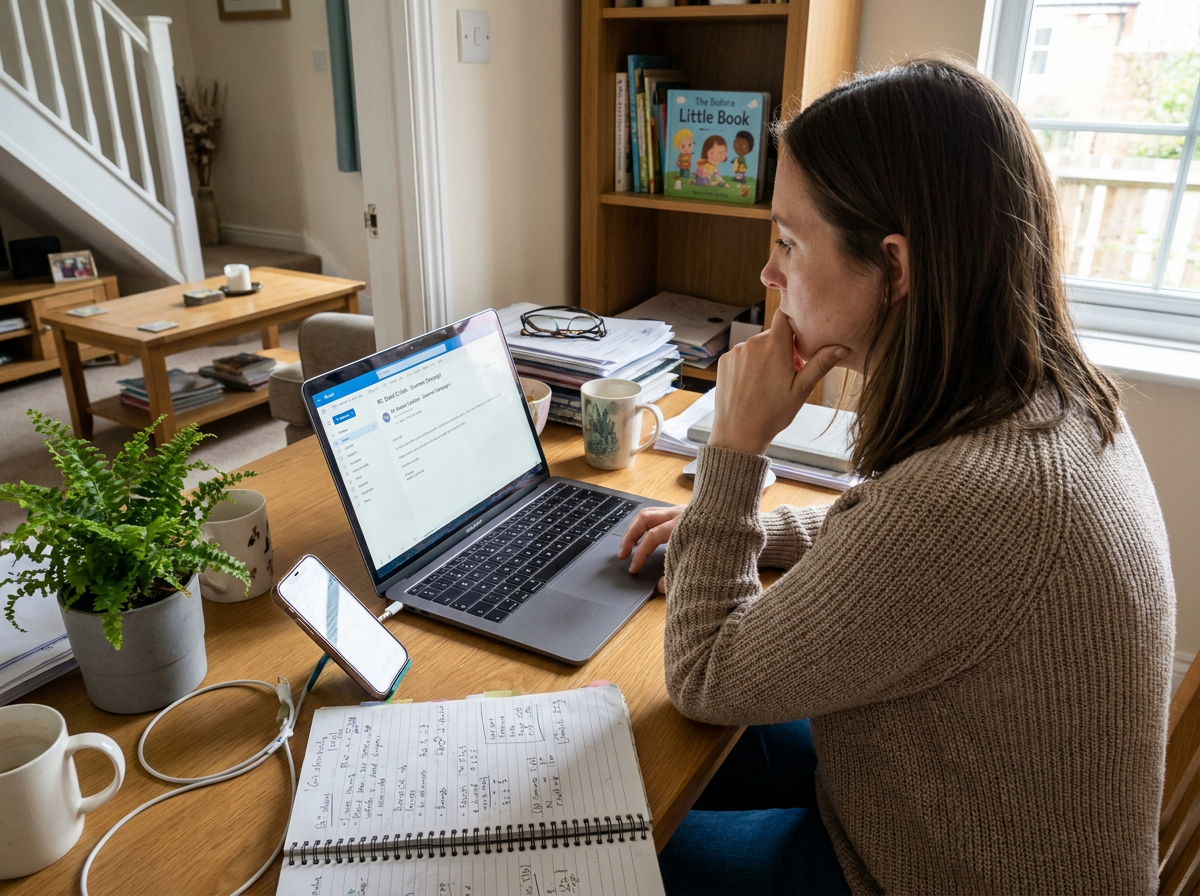
The email sounds promising. A brand likes the creator’s work, believes the audience is a good fit and wants to discuss a collaboration. Then comes the familiar qualification: “Unfortunately, we don’t have a budget.”
For someone creating content around employment, children and family responsibilities, accepting may feel easier than negotiating. Yet treating content creation as a business means assessing the work as any self-employed professional would.
A creator runs a small business with limited time, costs and income targets. Free work takes time from paid clients, family life or business development.
Visibility does not pay business costs
Content creation can look effortless. A short video may require planning, filming, editing, captions and revisions. A blog article includes research, writing, publishing and promotion.
The fee also covers pitching, administration, software, insurance, accounting and chasing payment. A self-employed creator must build these costs into income-generating work.
Exposure may occasionally bring value, but it is not a predictable business model. A brand cannot guarantee that an unpaid collaboration will produce paying customers, useful contacts or another campaign.
“No budget” is commercial information
The phrase is not a judgement on talent. The campaign may be unpaid, the contact may be testing what is possible or the budget may simply be low.
A calm question can clarify the position:
Thank you for considering me. Could you confirm whether there is no creator budget for this campaign, or whether there is a set budget that may be below my usual rate? This creates space for a business conversation without offering a discount.
Cost the job before deciding
Before replying, the creator needs to know what the brand expects. Relevant details include:
- the number and format of deliverables;
- deadlines and approval stages;
- revisions;
- exclusivity;
- usage in advertising, websites or other channels;
- travel, products or materials the creator must fund.
Usage rights matter because brands may gain value long after publication. A creation fee does not automatically include unrestricted use.
Once the scope is clear, consider the hours, costs, overheads and rights. The question becomes “Does this make commercial sense?”
Reduce the work, not just the price
When some budget exists, adjust the scope. A smaller fee should normally buy fewer deliverables, shorter usage or simpler production.
One possible response is:
If the full package is outside the available budget, I can suggest a reduced scope. Please share the figure you are working with and I will confirm what may be possible.
This protects the creator’s positioning and shows the brand that price is connected to what it receives.
Decide when gifted work makes sense
A gifted product is not payment. Its retail value does not cover household bills and may still create disclosure or tax considerations.
Gifted arrangements may suit the business when the product is wanted and content is not guaranteed. They are harder to justify when the brand specifies deliverables, approvals and usage.
A professional boundary can remain friendly:
Thank you for the offer. I am unable to commit to guaranteed content on a gifted-only basis, but I would be pleased to consider a paid brief in future.
Protect the hours family life depends on
Self-employment can be flexible, but work easily spreads into evenings and weekends. An unpaid campaign still consumes real hours squeezed around everybody else.
Saying no may protect school pick-up, rest, paid work or an existing project. A sustainable business should support family life rather than consume it without producing income.
Use systems instead of improvising
Brands and agencies negotiate regularly. Independent creators may do so only occasionally. Preparation helps close that gap.
Creator Capital is a negotiation and communication system for bloggers, influencers, writers, photographers, videographers and digital creators. It provides adaptable responses for situations including “no budget”, rate objections, requests for extra work, comparisons with cheaper creators and silence after a quote.
The purpose is not to send identical scripts to every contact. It is to have professional language ready, so commercial decisions are not made in a moment of discomfort.
A creator business needs more than good content
Creative skill attracts attention, but the business survives through pricing, boundaries and systems. Professionalism gives both sides a clearer understanding of the transaction.
Exploring Creator Capital may help creators who know how to make valuable content but still hesitate when money enters the conversation.
Treating content creation as a business does not mean turning every interaction into a hard negotiation. It means recognising when work is being requested, understanding its cost and making a deliberate decision that respects both the business and the family depending on it.
Leave a Reply