
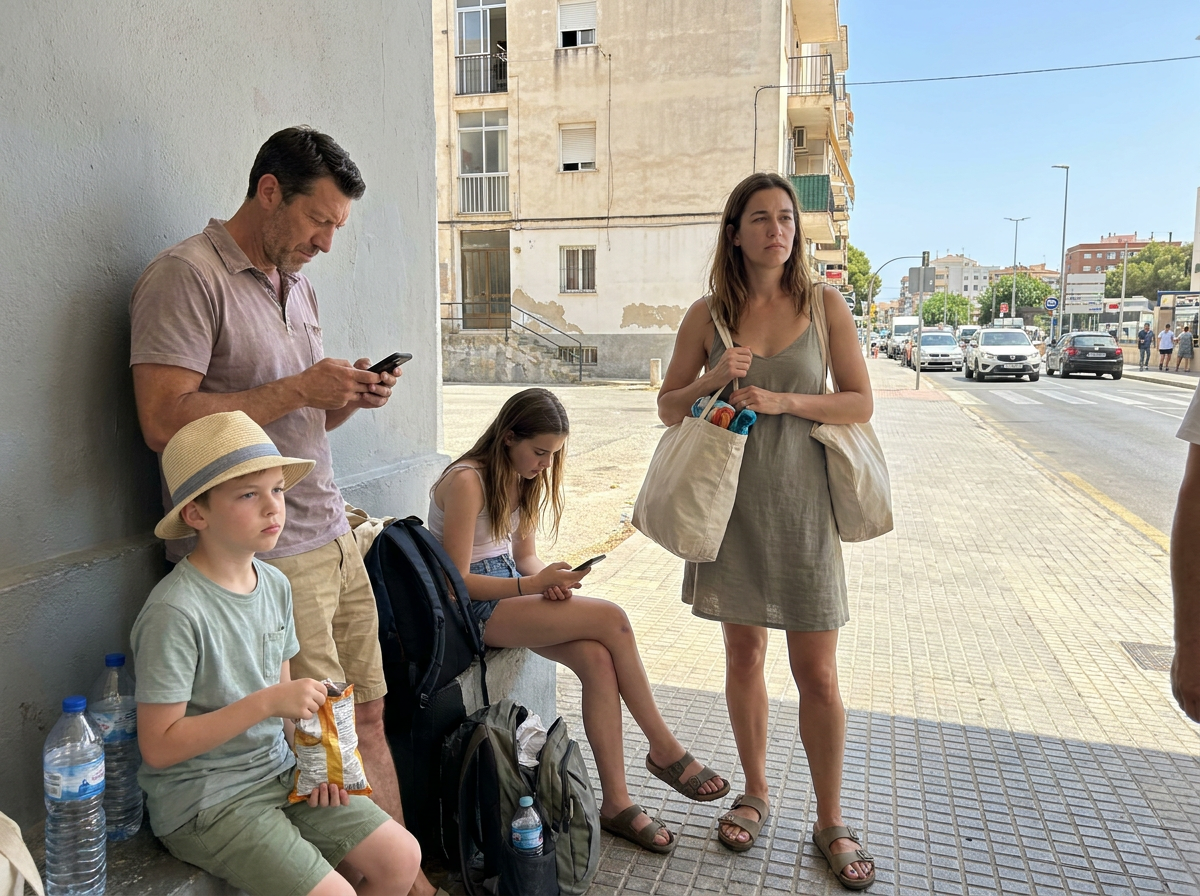
*This article contains an affiliate code*
Summer family travel often carries a surprising amount of pressure. The holiday has been saved for, counted down to and discussed for months, so it can feel as though every day needs to be special. Parents may arrive at the destination with a carefully planned itinerary, while children simply want to find the pool, sleep later or spend an hour examining something nobody expected them to notice.
A successful summer family holiday does not depend on squeezing the maximum number of activities into every day. It comes from choosing a destination that suits the family, preparing for the practical challenges of travelling in hot and busy conditions, and leaving enough flexibility for different ages, energy levels and interests.
Summer family travel can create lasting memories, although it works best when the holiday is planned around real family life rather than an idealised version of it.
Why summer family travel needs a different approach
Travelling during the summer brings obvious advantages. Days are longer, outdoor attractions are more accessible and families can spend time together without the usual school timetable. Many destinations also offer festivals, evening events and seasonal activities that are unavailable at other times of year.
The same conditions can create additional difficulties. Airports, roads and attractions are busier, accommodation costs are higher and popular places may need to be booked well in advance. Hot weather can affect sleep, appetite, patience and everyone’s willingness to walk around another historic town at two o’clock in the afternoon.
Children of different ages also experience summer travel differently. A teenager may enjoy a busy city and late evenings, while a toddler needs shade, rest and familiar food. One family member’s ideal day can easily become another person’s endurance test.
Good planning does not remove these differences. It creates enough space to accommodate them.
Choose a summer destination that suits your family
The best-known summer destinations are not automatically the best options for every family. Before booking, think about what an ordinary day will involve rather than focusing only on photographs of beaches, pools and famous attractions.
A destination with extremely high temperatures may limit what families can comfortably do during the middle of the day. A remote property can offer peace and space, yet it might also require frequent driving for food, activities and medical supplies. A lively resort may keep older children entertained while making it difficult for younger children to sleep.
Useful questions include:
- How hot is the destination likely to be?
- Is the accommodation within walking distance of food and activities?
- Will a car be necessary?
- Are beaches, pools and play areas suitable for the children’s ages?
- Is there enough to do indoors during extreme heat or bad weather?
- How long is the airport transfer?
- Are supermarkets, pharmacies and healthcare facilities accessible?
- Will every family member find something to enjoy?
Families do not have to travel abroad to have a meaningful summer holiday. A UK road trip, cottage stay or city break can reduce journey time and remove some of the uncertainty surrounding flights. International travel offers different experiences, but distance is not a measure of a holiday’s value.
Look beyond the obvious summer holiday destinations
Popular destinations are popular for understandable reasons, although they can become crowded and expensive during the school holidays. Looking beyond the most obvious resorts can open up more affordable and interesting possibilities.
Smaller cities, inland regions and places slightly outside the main tourist centres may provide better-value accommodation and a slower pace. Travelling to an off-season destination can also work well. Mountain areas, cities usually associated with winter breaks and rural regions can offer hiking, swimming, local festivals and family activities during summer.
The key is to research what will actually be open. Some ski resorts become active summer destinations with cable cars, trails and adventure parks, while others operate limited services outside winter. Coastal locations can also vary considerably, with some designed around family tourism and others offering little beyond the beach.

A less familiar destination should still be practical. Saving money on accommodation loses some of its value if the family then needs an expensive hire car or long daily journeys.
Set a complete summer travel budget
Summer family travel can become expensive quickly, particularly when families are restricted to school holiday dates. The headline price of flights and accommodation is only one part of the total.
A realistic budget should include:
- Baggage and reserved seats
- Airport parking or public transport
- Transfers and car hire
- Travel insurance
- Food and drinks
- Tourist taxes
- Activities and entrance fees
- Sun protection and summer clothing
- Mobile data or roaming charges
- Pet care at home
- Emergency spending money
Hot weather can increase everyday spending in ways that are easy to overlook. Families may buy more drinks, use taxis instead of walking or choose indoor attractions during the hottest part of the day. Air-conditioned accommodation may cost more but can make sleep and rest considerably easier.
Setting an activities budget before departure can reduce difficult decisions once the holiday begins. Children can be involved in choosing which paid experiences matter most, helping them understand that a holiday can include plenty of enjoyable free time too.
Book early without planning every minute
Booking summer transport and accommodation early usually provides more choice, especially for larger families needing connecting rooms or properties with several bedrooms. Direct flights, convenient departure times and family-friendly accommodation can disappear quickly during peak periods.
Activities with limited capacity may also need advance booking. Boat trips, guided tours, theme parks and popular museums can sell out, leaving families disappointed or paying inflated last-minute prices.
Booking everything in advance has drawbacks, however. A tightly packed itinerary leaves little room for tired children, hot weather or a change of mind. It can also create pressure to continue with an activity simply because it has already been paid for.
A balanced approach is to reserve the experiences that genuinely matter and keep the rest flexible. One planned activity each day is often enough, particularly in hot conditions. The remaining time can respond to the weather and the family’s energy.
Choose accommodation that makes summer easier
Family-friendly accommodation is especially important during summer because families may spend more time there than expected. A shaded outdoor area, reliable air conditioning or a separate living space can affect the holiday more than decorative features or an impressive reception area.
Check whether air conditioning is available throughout the property or only in certain rooms. Apartments in older buildings may rely on fans, while some hotels restrict air conditioning at particular times. Reviews from other summer guests can give a clearer picture than the accommodation description.
A fridge is useful for drinks, snacks and medication. Kitchen facilities provide flexibility when children are too tired for a restaurant or unfamiliar food becomes overwhelming. Laundry facilities can reduce the amount of clothing families need to pack, particularly on longer trips.
Pool safety deserves careful attention. Photographs may not show whether a pool is fenced, supervised or separated from the accommodation. Families with younger children should ask direct questions rather than assuming that a property marketed to families has suitable safeguards.
Plan journeys around heat, crowds and tiredness
Summer journeys can be uncomfortable even when everything runs according to plan. Busy airports, delayed flights and hot cars place extra pressure on children and parents.
Early flights can reduce the risk of travelling during the hottest part of the day, although a very early departure may leave everyone exhausted. Evening flights can appear convenient but become difficult when delays push the journey beyond a child’s usual bedtime.
Families driving through Europe or around the UK should allow more time than navigation apps suggest. Summer traffic, motorway queues and busy service stations can extend journeys considerably. Regular breaks are important for the driver as well as the children.
Water, snacks, spare clothing and essential medication should remain accessible rather than being buried in the boot or checked luggage. Portable chargers, downloaded entertainment and a few familiar activities can make unavoidable waits easier.
Pack for real summer conditions
Summer packing is often treated as simpler than winter packing, but hot-weather family travel brings its own demands. Children may need several changes of clothing each day, while strong air conditioning can make indoor spaces unexpectedly cold.
A practical summer family travel packing list may include:
- Lightweight, loose-fitting clothes
- Comfortable walking shoes
- Swimwear and cover-ups
- Sun hats
- Sunglasses
- Reusable water bottles
- Suitable sun cream
- A light layer for evenings and air-conditioned spaces
- Insect repellent where appropriate
- Basic first-aid supplies
- Regular medication
- Travel towels where needed
- Wet bags for swimwear
- A compact umbrella or waterproof layer
Packing too much can make transfers and hotel changes harder. Laundry facilities or a small amount of travel washing detergent can reduce the number of outfits required.
Children can help choose and pack their clothing, although adults should make the final check. Giving older children responsibility for a small case or backpack can build independence without placing essential travel documents at risk.
Take a balanced approach to sun and heat
Time outdoors is one of the pleasures of a summer holiday. Children can swim, explore, play and experience places in ways that are difficult during colder months. Sensible sun protection allows families to enjoy that time without treating the outdoors as something to fear.
The strength of the sun depends on the destination, time of day and conditions. Shade, suitable clothing, hats and sun cream all have a role. Babies and younger children need particular care, while older children may require reminders to reapply sun protection after swimming or extended activity.
The middle of the day can be used for lunch, rest or an indoor attraction when temperatures are high. This does not mean losing part of the holiday. Many destinations become more enjoyable later in the afternoon and evening, when streets are quieter and temperatures begin to fall.
Hydration needs attention throughout the day. Children do not always notice thirst when they are playing, and adults can become distracted by the practical work of managing everyone else. Refillable water bottles make it easier to keep track of how much each person is drinking.
Protect sleep without demanding the home routine
Longer evenings and unfamiliar surroundings can disrupt sleep during summer family travel. Hotel entertainment, warm bedrooms and excitement about the following day may keep children awake later than usual.
Trying to reproduce the home routine exactly can become stressful. A more realistic aim is to protect enough sleep for everyone to enjoy the holiday. This might mean a later bedtime followed by a slower morning, a quiet afternoon or an occasional nap.
Familiar bedtime items can help younger children settle. A favourite book, comfort toy or night-light takes up little space and can make a new room feel less unfamiliar. Families sharing one hotel room may need to think creatively, perhaps using a balcony or communal area after children have gone to sleep.
Teenagers may naturally want to stay awake and sleep later. A holiday can allow more freedom, although plans made for early mornings should take that into account. Repeatedly booking activities that conflict with everyone’s preferred rhythm is likely to create unnecessary tension.
Keep food simple and flexible
Food can be one of the most enjoyable parts of travel, yet eating out several times a day is expensive and tiring for families. Children may also need time to adjust to different meal schedules and unfamiliar dishes.
Accommodation with a fridge or kitchenette makes breakfast, drinks and snacks easier. A supermarket visit at the beginning of the holiday can reduce daily spending and provide familiar options when children are hungry outside restaurant hours.
Trying local food can still be part of the experience. Shared dishes, food markets and informal restaurants may feel less pressured than formal meals. Children can be encouraged to taste something new without being expected to enjoy everything.
Dietary requirements and allergies need advance research. Families may find it useful to carry translated information explaining a serious allergy and to identify suitable restaurants before arrival. Essential medication should remain with the family during travel and outings.
Build a summer itinerary around energy, not ambition
Long summer days can create the impression that there is time to do everything. In reality, heat and crowds often make activities more tiring than expected.
A manageable day might include one main attraction, time to eat properly and an unstructured period at the pool, beach or accommodation. Children often need opportunities to play without being directed, even in a destination filled with organised activities.
Alternating busy days with quieter ones can help the whole family. A theme park followed by another full-day excursion may look efficient on paper but leave everyone depleted. A slower day can protect the rest of the holiday.
Parents need downtime too. The organisational work of family travel does not disappear at the destination, and one adult can easily become responsible for tickets, meals, directions, laundry and everyone’s belongings. Sharing this work makes the holiday more sustainable and prevents one person from managing the experience while everyone else enjoys it.
Include children without making them control the holiday
Children are more engaged when their interests are taken seriously. This does not require turning every decision into a family debate.
Each person could choose one activity or meal during the trip. Younger children might select between two options, while teenagers can research a destination and suggest something the family may otherwise overlook.
Different ages may not always want to do the same thing. Splitting up occasionally can work better than forcing everyone through an activity designed for one age group. One parent might visit a museum with an older child while another takes younger siblings to a park.
These choices acknowledge that family togetherness does not require constant proximity. Giving people a little space can make shared time more enjoyable.
Leave room for ordinary family moments
Summer family travel is often presented as a sequence of perfect beaches, smiling children and spectacular sunsets. Real family holidays include disagreements, missing shoes, rejected meals and moments when nobody wants to cooperate.
These ordinary difficulties do not mean the holiday has failed. Families take their existing relationships, needs and pressures with them when they travel. A new destination does not make everyone endlessly patient or enthusiastic.
The less polished moments often become part of the family story. An unexpected rainstorm, a wrong turn or a meal assembled from whatever was available at a small shop can be remembered more clearly than a carefully organised excursion.
Photographs are valuable, although the holiday does not need to become a performance for social media. Children may remember how it felt to have their parents’ attention more than the number of impressive images collected.
Prepare for changes and disrupted plans
Summer travel is vulnerable to delays, strikes, extreme weather and overcrowding. Families cannot control every disruption, but they can reduce the impact of some problems.
Keep booking confirmations, travel insurance details and emergency contacts together in a secure digital folder. Download important information so it remains accessible without Wi-Fi. Paper copies of essential details can also be useful.
A flexible attitude matters as much as practical preparation. Missing an activity may feel frustrating, particularly when it was expensive, but forcing an exhausted family to continue rarely improves the situation.

The ability to change direction is one of the most useful family travel skills. A quiet evening, takeaway meal or afternoon indoors may be exactly what allows everyone to enjoy the next day.
A summer family travel checklist
Before booking
- Set a complete holiday budget.
- Check passports and entry requirements.
- Research typical summer temperatures.
- Compare journey times and transfers.
- Check cancellation conditions.
- Confirm what the accommodation provides.
- Consider how the destination will suit each child’s age.
Two weeks before departure
- Review travel insurance.
- Arrange prescriptions and medication.
- Book priority activities.
- Prepare a summer packing list.
- Download maps, tickets and entertainment.
- Check baggage allowances.
- Discuss the journey with the children.
The day before travelling
- Check in online where possible.
- Charge devices and portable chargers.
- Pack water bottles and suitable snacks.
- Place travel documents somewhere secure.
- Keep medication and spare clothing in hand luggage.
- Confirm transfer arrangements.
- Leave some empty space in the itinerary.
Summer travel does not have to be perfect to matter
A summer family holiday cannot meet every expectation at every moment. Children may prefer the hotel pool to the famous attraction, adults may need a slower day and plans may change for reasons nobody could have predicted.
The value of summer family travel lies in stepping away from familiar routines and experiencing something together. Careful planning makes that experience easier, while flexibility allows each family member to have needs, preferences and difficult moments without feeling responsible for spoiling the holiday.
The best question may not be whether everything went according to plan but whether the family had enough time and space to notice where they were and enjoy being there together.
*For discounted train travel head to TRIP.COM and use CODE: ZYFX1B for 4% of rail travel*
[…] performance changes the atmosphere. There is no failed walk if the family turns back, changes route or stops to watch something. Movement still matters, but the outing can […]
[…] Tourist Information office inside Zürich […]