
It is surprisingly easy to build a life around something we would rather avoid. The changes often happen gradually, through decisions that seem entirely reasonable at the time, until the original difficulty becomes almost invisible beneath the routines developed to accommodate it. A person who dislikes flying might begin choosing holidays that can be reached by car, while someone uncomfortable speaking in public may repeatedly turn down opportunities that involve presentations. Neither decision necessarily appears particularly significant in isolation, yet over time the accumulation of small compromises can begin to shape the direction of a person’s life. Does this sound familiar? Either as a way you have coped yourself, or perhaps a type of coping behaviour you have witnessed in someone you know?
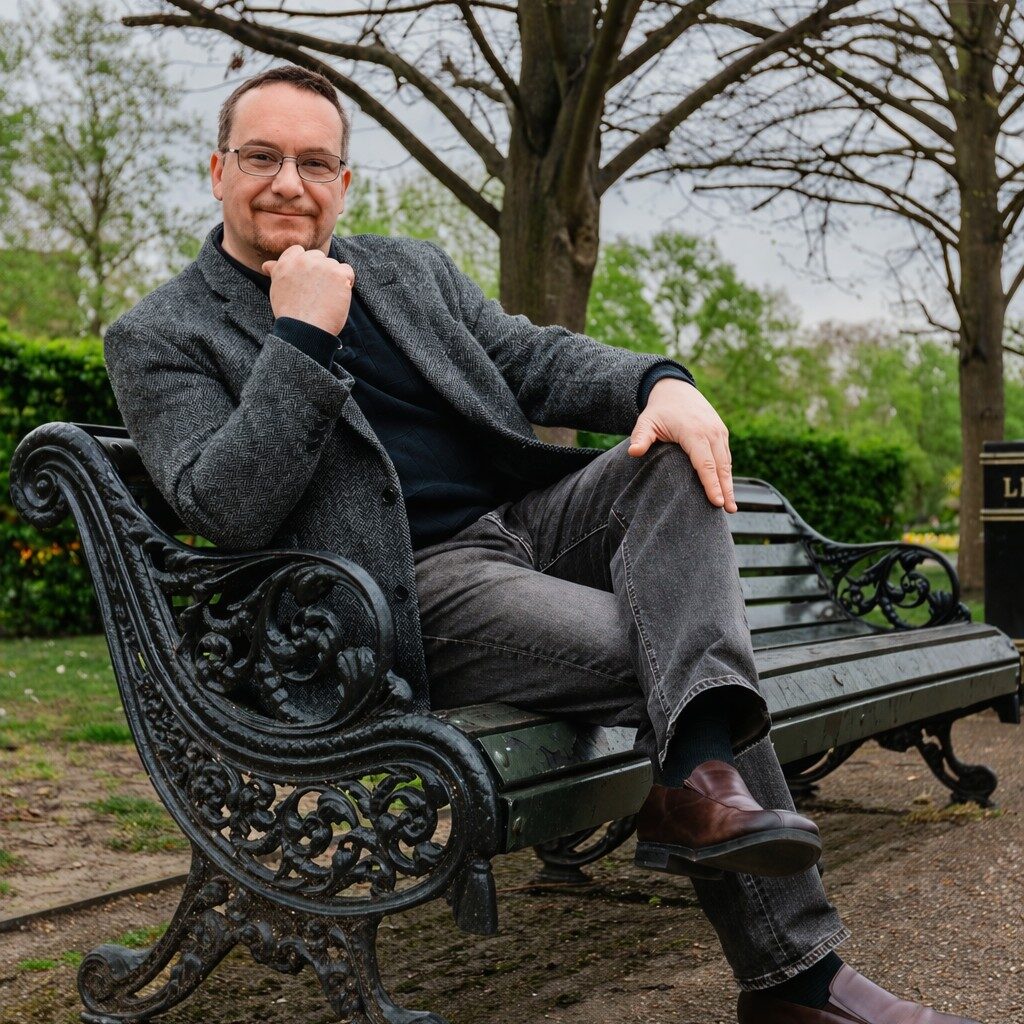
For Christopher Paul Jones, a therapist specialising in fears, phobias and anxiety, this is one of the most important reasons to encourage people to reconsider emotional difficulties they may have accepted for years. His work is concerned not only with the immediate experience of fear but also with the ways it can influence confidence, independence and the choices people feel able to make. The central question is not whether fear can be eliminated from life altogether, which may not be realistic, but whether some of the restrictions people have come to regard as permanent might be capable of changing.
Christopher has developed a professional approach that draws on several therapeutic disciplines, reflecting his interest in the different ways individuals experience emotional distress. He also challenges the assumption that longstanding fears necessarily require years of treatment, arguing that some people can make meaningful progress through relatively brief interventions. These ideas are particularly relevant to a wider conversation about psychological support, where greater public awareness of mental health has not always been accompanied by a clear understanding of the options available, with many people viewing ‘therapy’ as something that goes on for years.
Editorial disclosure: The author received four complimentary therapy sessions with Christopher Paul Jones. This article explores his work and approach from an editorial perspective.
The quiet influence of fear on everyday decisions
When discussing phobias, attention often concentrates on the immediate reaction: the panic someone experiences when encountering a particular animal, the distress associated with boarding a plane or the overwhelming discomfort of speaking in front of an audience. These responses can be intense, but their impact is not necessarily confined to the moments when the feared situation occurs, something I learnt myself whilst working with Christopher.
For many people, the more enduring difficulty lies in anticipation and avoidance. Someone worried about an upcoming flight may spend weeks thinking about what could happen, while a person who fears public speaking may begin experiencing anxiety as soon as they learn that a presentation will be required. The actual event may occupy a relatively small amount of time, yet the emotional response can influence everyday life for considerably longer. This can make life hard, really, really hard.
Avoidance can also become difficult to recognise because it often presents itself as a perfectly ordinary preference. People adapt their routines, make alternative arrangements and develop explanations for decisions that have gradually become familiar. There is nothing inherently wrong with choosing not to fly or preferring a quieter role at work, of course, but the distinction between a genuine preference and a decision driven by fear can be important when someone begins to feel that their choices are limited. Working with Christopher can help you to figure out how your fears impact your decisions and how your choices may or may not be different if your fears could be turned down.
Psychologists have long recognised that avoiding a feared situation can provide immediate relief while also helping to maintain anxiety. When avoidance becomes the usual response, the person may have fewer opportunities to discover that the situation is manageable, allowing the original fear to remain influential. This is one reason established treatments for specific phobias often involve helping people approach feared situations gradually and safely, rather than simply providing reassurance.
Christopher is interested in the individual experience behind these patterns, particularly the thoughts, expectations and emotional associations that may contribute to someone’s response. He may ask you, “What’s the emotion attached to that memory?” His work reflects the view that two people can encounter the same circumstances and experience very different levels of distress, making it important to understand the person rather than concentrating exclusively on the situation.
A practitioner shaped by his own experience
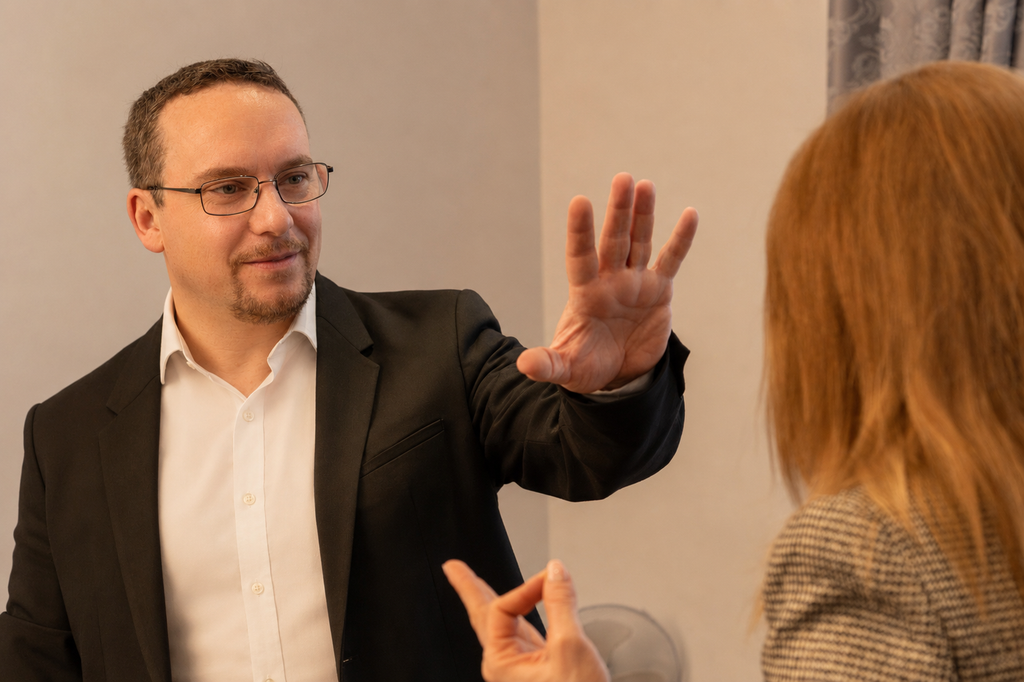
Christopher Paul Jones did not develop his interest in phobias solely through professional training. He has spoken and written about experiencing several fears earlier in his life, including difficulties associated with flying and public speaking, and the effect these had on his confidence and freedom to make certain choices.
His search for ways to address those difficulties led him to investigate different therapeutic methods, eventually developing a framework that combines techniques from several disciplines. Known as the Integrated Change System, it reflects his belief that people experience fears differently and that a flexible approach may be useful when exploring the factors contributing to a particular emotional response.
What distinguishes his professional philosophy is the emphasis on exploring an individual’s experience of fear rather than relying on a single explanation for why it exists. He is interested in how people think about feared situations, what they anticipate and whether previous experiences or beliefs may be influencing their reactions. His approach is intended to help people develop different responses to situations that have previously caused distress.
This focus on the individual is particularly relevant when considering how varied the experience of anxiety can be. Two people may both describe themselves as frightened of flying, for example, while experiencing quite different concerns. One may be particularly uncomfortable with turbulence, another may worry about being unable to leave the aircraft, while someone else may find the anticipation of the journey more distressing than the flight itself. Understanding those differences can be important when deciding what type of support is likely to be appropriate.
Challenging assumptions about therapy
One of the more interesting aspects of Christopher’s work is his emphasis on the possibility of relatively rapid change. He reports that some clients experience significant improvements after a small number of sessions (some after only one session), including people who have lived with particular fears for many years.
For someone who has lived with a fear for years, the thought of tackling it can feel overwhelming. They may assume therapy will be expensive, time-consuming or involve revisiting difficult memories. It can seem easier to carry on avoiding the things that make them anxious, particularly when they have been doing so for much of their lives.
Understanding that there are different ways to tackle fears could encourage more people to seek help. Some phobias can improve with relatively short courses of treatment, and there is no need to wait until anxiety begins to seriously affect everyday life. The right approach will depend on the individual, with more complex difficulties sometimes requiring specialist or longer-term support.
Making psychological support easier to approach
Public conversations about mental health have become more open, yet there is still a considerable difference between recognising that anxiety is common and understanding what to do about it. People may be familiar with the language of mental wellbeing while remaining uncertain about the difference between counselling, psychotherapy, cognitive behavioural therapy and other approaches.
Specific phobias can be particularly easy to dismiss because they may not affect every aspect of a person’s life. Someone who is frightened of flying may function confidently at work, maintain close relationships and manage most everyday responsibilities without difficulty, making the fear appear relatively insignificant to others. The limitations become more apparent when travel is necessary or when the person begins declining opportunities because of the distress they anticipate.
Christopher’s work contributes to this conversation by encouraging people to question whether longstanding fears need to remain permanent features of their lives. His approach places considerable emphasis on the possibility of change, while his wider communication aims to make the subject less intimidating for people who may never have considered seeking support.
There is also a financial and practical dimension to accessibility. Regular appointments can be difficult to accommodate around employment, caring responsibilities and family life, particularly when people are uncertain how long treatment might continue. The fear of how much it might cost may prevent people seeking support. The possibility of focused interventions like these may therefore be appealing.
Why this conversation matters for families
Fear is often discussed as an individual experience, but its effects can extend into family life in ways that are not always obvious. Decisions about holidays, activities, social occasions and unfamiliar experiences may be influenced by the anxieties of one or more family members, particularly when avoiding a difficult situation seems easier than addressing it.
Parents also spend considerable time helping children manage worries that may appear disproportionate to the circumstances. A child who is frightened of dogs may understand that a particular animal is friendly without feeling comfortable approaching it, while a teenager who experiences anxiety about reading out loud in front of classmates may struggle despite knowing that the situation is unlikely to result in anything serious.
These examples illustrate why emotional reassurance is not always as straightforward as providing accurate information. Fear involves more than a conscious assessment of risk, and the way someone experiences a situation may be influenced by previous experiences, expectations and their own sensitivity to uncertainty.
Understanding this can encourage families to respond with greater patience, particularly when a child’s reaction seems difficult to explain. It is important, however, not to assume that every childhood fear requires therapy or that parents are responsible for preventing anxiety altogether. Worries are a normal part of development, and children benefit from appropriate reassurance, opportunities to build confidence and support that reflects their individual needs.
For adults as well as children, recognising that a fear is influencing important choices may be the first step towards considering whether support could be helpful.
An opportunity to explore his methods independently
For people interested in learning more about Christopher Paul Jones’ approach, his book, Face Your Fears: 7 Steps to Conquering Phobias and Anxiety, provides an introduction to the methods he uses in his work. Published by Michael O’Mara Books, it includes practical exercises that readers can explore themselves, offering an opportunity to engage with his ideas without immediately committing to individual therapy.
Self-help resources cannot replace appropriate professional assessment or treatment where these are needed, but they can help make unfamiliar subjects more approachable. For someone who has never considered seeking support for a fear, the opportunity to explore a practitioner’s ideas independently may provide a useful introduction before deciding what to do next.
A wider understanding of progress
Discussions about overcoming fear often suggest that successful treatment should result in the complete disappearance of anxiety, yet meaningful improvement can take many forms. Someone who previously avoided a particular activity may become able to participate with manageable discomfort, while another person may find that the anticipation of a difficult situation no longer occupies the same amount of time and attention.
This distinction matters because fear itself is not something that should necessarily be eliminated. It has an important protective function, and there are circumstances in which caution and concern are entirely appropriate. The difficulty arises when emotional responses become disproportionate to the situation or begin restricting choices that a person would otherwise like to make.
Perhaps the most important question is not whether someone can become entirely fearless, but whether they can develop a different relationship with the situations that have previously caused distress. For many people, that could mean recovering opportunities, experiences or choices they had gradually stopped considering.
Readers interested in exploring Christopher’s approach can find more information at christopherpauljones.com and through his book, Face Your Fears: 7 Steps to Conquering Phobias and Anxiety.
Leave a Reply