
A child turning 15 or 16 does not suddenly require more space on a tram or move through a museum like an independent adult. City-pass pricing often acts like they do. A family can move from discounted child travel to buying three, four or five adult passes simply because its children have crossed different age thresholds.
This makes travelling with teenagers particularly difficult to calculate. Some European city passes retain child prices until 15, while others classify teenagers as adults or offer no child card at all. The best-value passes are generally those that preserve reduced prices for longer or allow children to travel with an adult cardholder.
Why the Definition of a Child Matters
There is no standard European age rule. One city may offer a child pass to anyone aged 15, while another begins charging adult prices from that age. Attractions within the same city may use completely different categories.
A 15-year-old could therefore be an adult for public transport, a child at a museum and a student somewhere else. Older teenagers may qualify for a reduced ticket only if they can show student identification.
Families should record everyone’s age on the date of travel before comparing passes. Searching for a “family price” is not enough when two children within the same family may sit in different ticket categories.
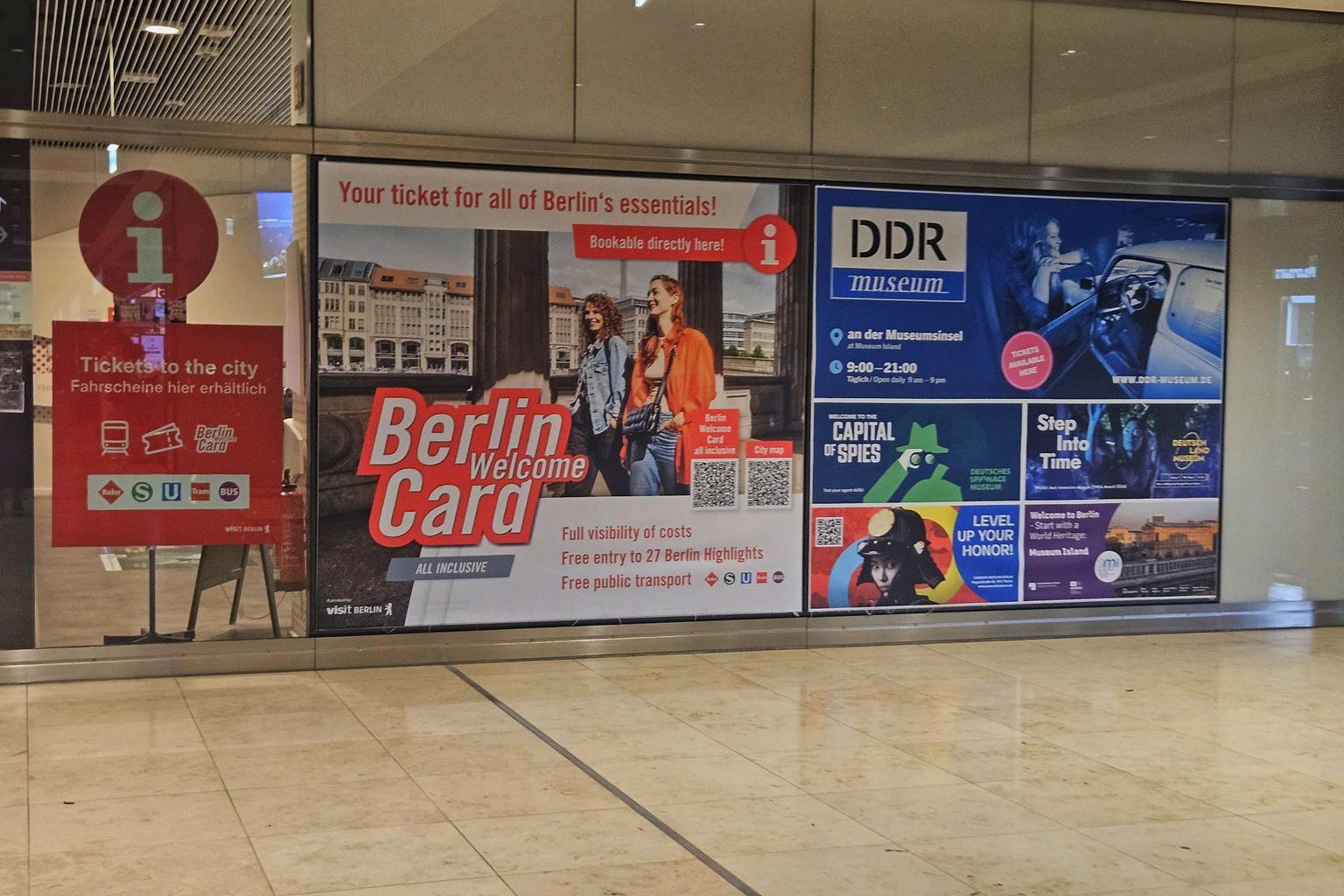
Berlin WelcomeCard: Strong for Children Up to 14
The Berlin WelcomeCard has one of the clearest family transport benefits. Each adult cardholder can take up to three children aged between six and 14 on eligible public transport free of charge. Children under six also travel free.
This can work extremely well for two adults travelling with younger teenagers. The adults buy the cards, while the children’s public transport is covered. Attraction admission remains separate, although the adult cardholders receive discounts at participating venues.
The value changes sharply at 15. According to the official Berlin WelcomeCard rules, anyone aged 15 or over requires a separate public transport ticket. There is no reduced teenage or student WelcomeCard.
Berlin is therefore one of the better options for a family with children aged 13 and 14, but much less compelling for the same family a year or two later.
Innsbruck Card: Reduced Prices Continue Until 15
The Innsbruck Card uses a child category from six to 15, with adult pricing beginning at 16. At the time of writing, a 48-hour card costs €79 for an adult and €39.50 for a child.
The difference is substantial for families with younger teenagers. The card includes the Nordkette journey, selected cable cars, eligible public transport and admission to attractions including Alpine Zoo, Bergisel ski jump and Swarovski Crystal Worlds.
A family with two adults and two children aged 13 and 15 would currently pay €237 for four 48-hour cards. Once both children reach 16, the same four cards would cost €316. That €79 increase can change the answer to whether the Innsbruck Card is worth buying.

Innsbruck remains a strong option when teenagers genuinely want to use the mountain transport and included attractions. It is less attractive when they prefer swimming, shopping, independent exploring or outdoor activities not covered by the card.
Zürich Card: Better for Younger Teenagers Than Older Ones
The Zürich Card also offers separate adult and child prices, with reduced cards available for children aged six to 15. Adult pricing applies from 16.
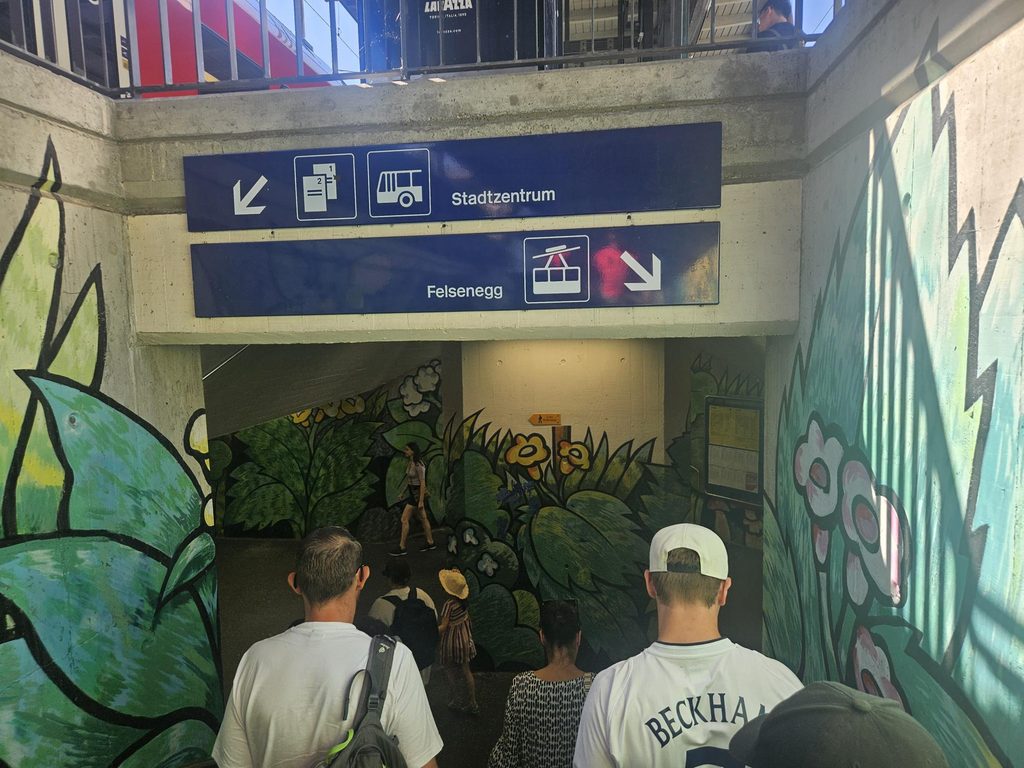
This makes it potentially useful for families combining public transport with boat travel, the Felsenegg cable car and participating museums. Zürich is expensive enough that inclusive transport can provide meaningful value, particularly when a family is travelling beyond the Old Town.
The calculation becomes more difficult with teenagers aged 16 and over. Four people may require four adult cards even though some attractions still offer student, youth or family admission. Buying individual transport tickets and separate attraction tickets could then cost less.
The card is strongest when its transport network forms part of the experience. A family planning the Limmat cruise, Felsenegg and journeys across the city has a clearer reason to buy it than one staying centrally and visiting only one paid attraction.
Vienna City Card: Useful Transport, Mostly Discounted Entry
The Vienna City Card includes public transport and reductions at more than 200 museums, attractions and other businesses. It currently costs €19 for 24 hours, €31 for 48 hours, €37 for 72 hours and €39 for seven days.
The comparatively small difference between the 72-hour and seven-day cards is appealing for a longer break. The attraction benefit is normally a discount rather than free admission, however, so families still need to budget for entry tickets.
Vienna’s museums and attractions set their own child, youth and student prices. A teenager may already qualify for a reduced admission ticket, and the City Card reduction may not necessarily improve that price. Each planned attraction needs to be checked individually.
The standard Vienna City Card is most useful when the family needs extensive public transport and the adults will use several discounts. It should not be treated as an all-inclusive sightseeing pass.
Amsterdam: An Adult City Card May Be Poor Value for Teenagers
The I amsterdam City Card includes more than 70 museums and attractions, selected public transport, a canal cruise and bicycle hire. Unlike some other city products, it has traditionally been sold without a separate reduced child version.
That does not automatically mean teenagers receive poor value. The card includes major attractions such as the Rijksmuseum, NEMO Science Museum, ARTIS zoo and the National Maritime Museum. A teenager who actively wants to visit several included places could use it well.
The difficulty is that some Amsterdam museums already admit under-18s free. The Van Gogh Museum, for example, offers free admission to visitors under 18, although they still need a timed ticket. Buying a full city card to cover an attraction that would have been free creates no saving.
Amsterdam requires an attraction-by-attraction calculation. Parents may benefit from the I amsterdam City Card while teenagers use separate transport and youth admission. There is no requirement for every family member to hold the same product.
Which Pass Is Best for a Family with Teenagers?
There is no single winner for every family, but the age structure creates some clear patterns:
| City pass | Most favourable for | Main teenage limitation |
|---|---|---|
| Berlin WelcomeCard | Children aged 6–14 travelling with an adult | Separate transport needed from 15 |
| Innsbruck Card | Active teenagers aged 6–15 | Adult price begins at 16 |
| Zürich Card | Teenagers aged 6–15 using transport and excursions | Adult price begins at 16 |
| Vienna City Card | Families using public transport extensively | Most attractions are discounted, not included |
| I amsterdam City Card | Older teenagers visiting several included attractions | No reduced child card; some museums are already free for under-18s |
Berlin offers an especially useful transport arrangement for younger teenagers. Innsbruck can deliver the largest attraction saving when mountain journeys form part of the plan. Zürich works well when boats, trains and cable cars are treated as experiences rather than merely transport.

Amsterdam illustrates why buying the same pass for everyone can be a mistake. Vienna sits somewhere in the middle: relatively affordable as a transport and discount product, but not necessarily the cheapest admission option for teenagers.
Calculate Each Family Member Separately
Begin with the normal price for each person rather than multiplying one adult calculation across the family. For every traveller, compare:
- The relevant transport ticket for their age
- Individual child, youth or student admission
- Family tickets offered by attractions
- Places where under-18s enter free
- The city-pass price for their age
- Attractions they genuinely want to visit
Student identification should be carried where a youth or student reduction depends on it. Families should also check whether a UK school, college or university card is accepted, as eligibility rules vary.
A mixed purchase is often the best answer. Parents might buy city cards while teenagers use youth transport passes, or a younger teenager may have a child card while an older sibling buys individual tickets.
Are City Passes Worth It for Families with Teenagers?
City passes can still offer good value, but teenage pricing makes blanket family calculations unreliable. Berlin, Innsbruck and Zürich are particularly favourable before children cross their respective adult thresholds. Amsterdam often rewards a more selective approach, while Vienna’s value depends heavily on transport use.
The important question is not whether a city pass is advertised for families. It is whether it recognises the ages of the particular family buying it.
The same family can save money one summer and lose it the next, without changing a single attraction—only the ages on the booking screen.
[…] or lake. Keep the clearest day available for the Nordkette and let the weather help shape the rest. Innsbruck has enough variety to accommodate different ages and interests, while leaving you free to change […]