

There are certain compliments that have become so woven into everyday conversation that we rarely stop to think about what they really mean. We tell friends they look amazing. We tell colleagues they look well. We ask whether someone has lost weight, usually with a smile and every intention of making them feel good about themselves. These comments are almost always offered kindly, which is perhaps why they have escaped scrutiny for so long. Yet they reveal something rather unsettling about the way we continue to value women.
When we tell a woman she looks well, we are very often commenting on the fact that she has become slimmer. We might dress it up differently, but everyone involved in the conversation usually understands what is really being said. The compliment is rarely about how much energy she has, how well she is sleeping or whether she feels happier than she did six months ago. More often than not, it is about the fact that she occupies less physical space than she used to.
When you express it like that, it sounds rather absurd. Imagine saying to a young girl that one day one of the nicest compliments she will receive is that she has become physically smaller. We would probably hesitate before putting it quite so bluntly, yet that is the message many women absorb throughout their lives. It arrives through countless everyday conversations rather than dramatic moments, repeated so often that it simply becomes part of the background noise.
What are we really praising?
What makes this particularly interesting is that it sits in direct contrast to the qualities we actually admire in the women we love. Ask someone to describe their closest friend, and they are unlikely to begin by talking about her dress size. They will talk about her generosity, her sense of humour, her loyalty or her ability to stay calm when everyone else is falling apart. Ask someone why they admire their mother and they rarely answer by mentioning her appearance. They remember resilience, kindness, determination and the feeling that she somehow made difficult things seem manageable.
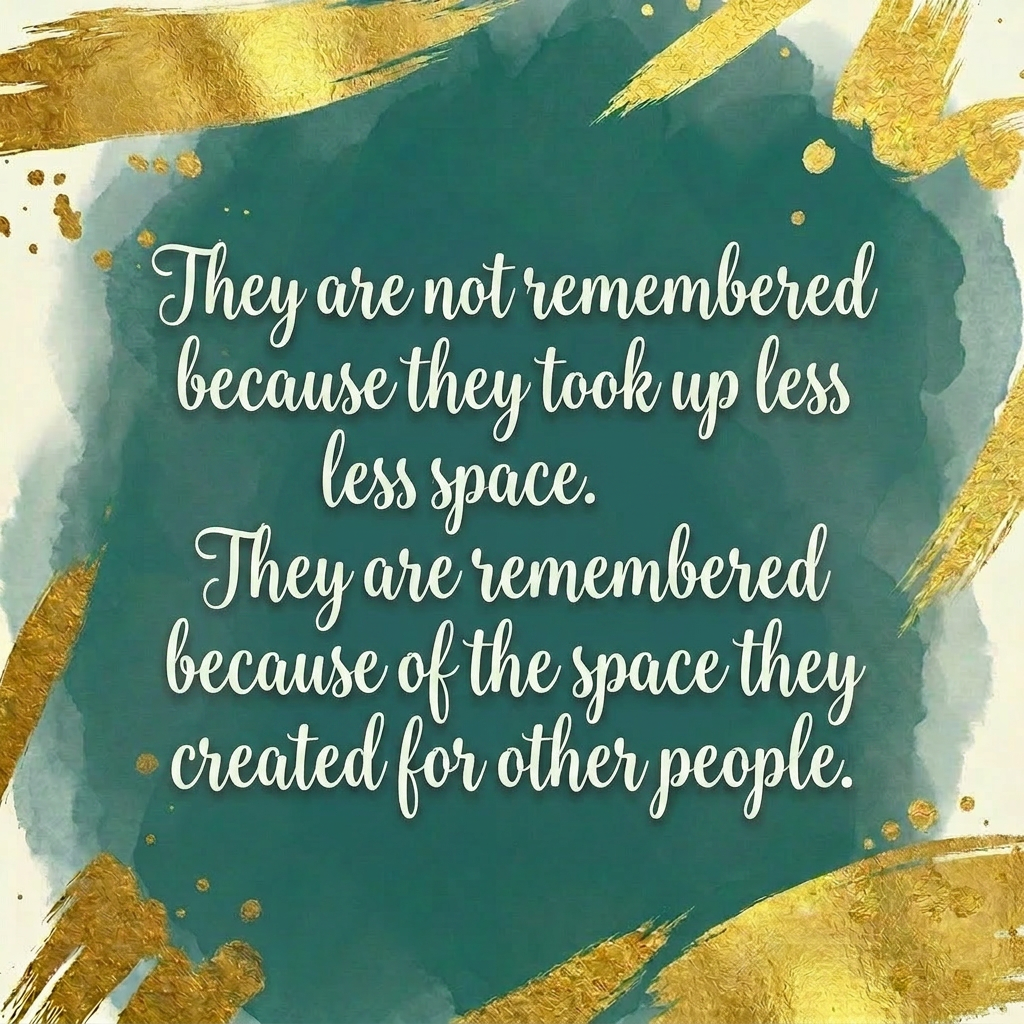
The women who leave the deepest impression on our lives are not remembered because they took up less space. They are remembered because of the space they created for other people. They made others feel welcome, listened without judgement, gave wise advice, laughed generously and stood beside people when life became difficult. Those are the qualities that remain long after anyone could remember what somebody weighed.
Perhaps that is why our language deserves another look. The compliments we offer one another no longer seem to reflect what we genuinely value. Instead, they often reflect assumptions that have been handed down almost unnoticed, as though becoming smaller is automatically evidence that life is going well. Our words have become so familiar that we rarely notice the values they carry with them.
When appearance tells only part of the story
Of course, there are times when weight loss is absolutely worth celebrating. Someone may have worked incredibly hard to improve their fitness, reduce their blood pressure or regain confidence after years of struggling with their health. Recognising that achievement is entirely appropriate. The difficulty comes when we assume that every change in someone’s appearance deserves celebration, without knowing anything about the story behind it.
Weight loss does not always arrive because life is going well. It can accompany grief, anxiety, illness, burnout or prolonged stress. Many women can remember being told they looked fantastic during periods when they felt anything but. They were exhausted, overwhelmed or quietly falling apart, yet the external signs of that struggle happened to align with society’s idea of looking good.
According to the NHS, good health is influenced by a wide range of factors, including physical activity, nutrition, sleep, mental wellbeing and existing health conditions. Appearance alone rarely provides enough information to understand how someone is really doing. A well-meant compliment can therefore miss the reality of a person’s experience, reminding us that curiosity and compassion are often more valuable than assumptions.
The messages children hear
This conversation matters for families because children are listening long before anyone imagines they are. They absorb the values that sit quietly underneath everyday language, learning what adults celebrate and what they overlook. Research into child development suggests that these repeated everyday interactions help shape children’s understanding of themselves and the people around them. It is not one conversation that leaves a lasting impression, but the accumulation of hundreds of small moments over many years.
A child who repeatedly hears adults praise weight loss may begin to believe that becoming smaller is something to aspire to, even if nobody ever says those words directly. Equally, children who hear adults praise courage, kindness, perseverance, creativity and curiosity learn that these qualities matter too. The language we choose does more than describe the world; it quietly teaches children what success and self-worth look like.
This is not about avoiding compliments on appearance altogether. Telling someone they look lovely or that a new hairstyle suits them can be a genuine expression of warmth. The challenge is ensuring that appearance does not become the main way we recognise or value one another.
Making room for a different conversation
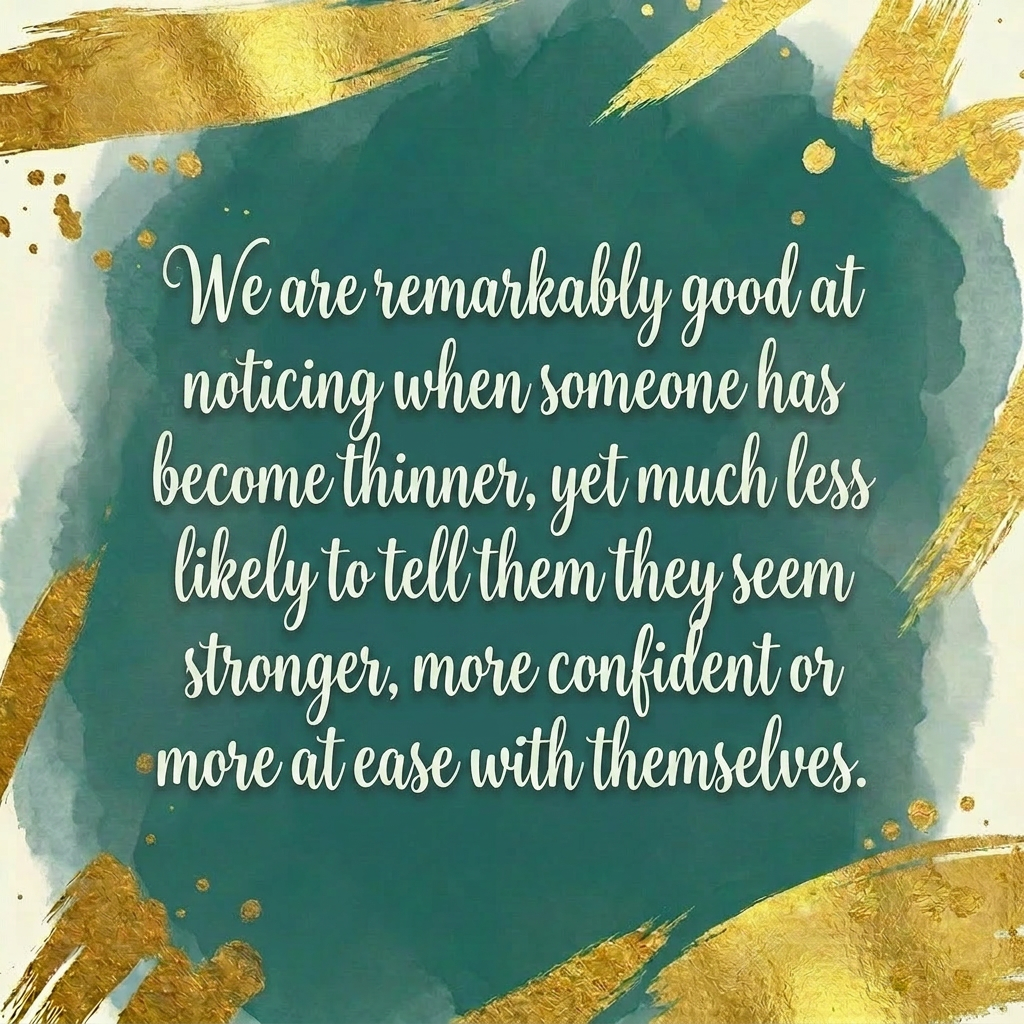
Perhaps this says less about women’s bodies than it does about the narrow vocabulary we have developed around them. We are remarkably good at noticing when someone has become thinner, yet much less likely to tell them they seem stronger, more confident or more at ease with themselves. We rarely compliment women on looking capable, despite capability being one of the most attractive and enduring qualities any person can possess.

Perhaps the real question is not why we continue to compliment women on losing weight. The more interesting question is why we still find it so difficult to separate a woman’s worth from the amount of space she occupies. Ordinary ideas are often the hardest to question because they have become so familiar that they pass unnoticed.
Families have an opportunity to broaden that conversation. Children are shaped not only by the values we try to teach them but also by the values they hear reflected in our everyday words. If we admire resilience more than appearance, kindness more than clothing size and confidence more than conformity, perhaps our compliments should reflect that. After all, the women who leave the greatest mark on our lives are rarely remembered because they took up less space. They are remembered because they helped others find the confidence to take up theirs.
Leave a Reply